The console is the small part.
Xermal partners with studios, gyms and wellness facilities on what decides whether a platform earns its place: the protocol behind it, the team running it and the commercial model around it.
Six things that travel with every platform.
Protocol library
Written programme pathways for the platform, structured so that two operators deliver the same session the same way. This is the difference between a device and a service.
Operator training
Onboarding for your studio team at installation, plus refresher material for when the team changes. Staff turnover is the most common reason a platform quietly stops performing.
Safe-use documentation
Safe-use lists and client suitability guidance supplied in full, so that suitability decisions on your floor are made against a document rather than from memory.
Service and consumables
A defined support route and a written consumables position agreed before installation, including compatibility and supply. No surprises in month four.
Commercial modelling
Session pricing, course structure and utilisation modelled against your actual room count, staffing and opening hours rather than a generic payback table.
Launch material
Platform-consistent material for your menu, your consultation and your channels, so the technology is presented properly rather than improvised into a caption.
Who this works for.
We would rather place fewer platforms well than more platforms badly. A partnership tends to work when most of the following are true.
- A qualified studio team, or a clear plan to have one, since every platform requires trained operation and proper suitability checks.
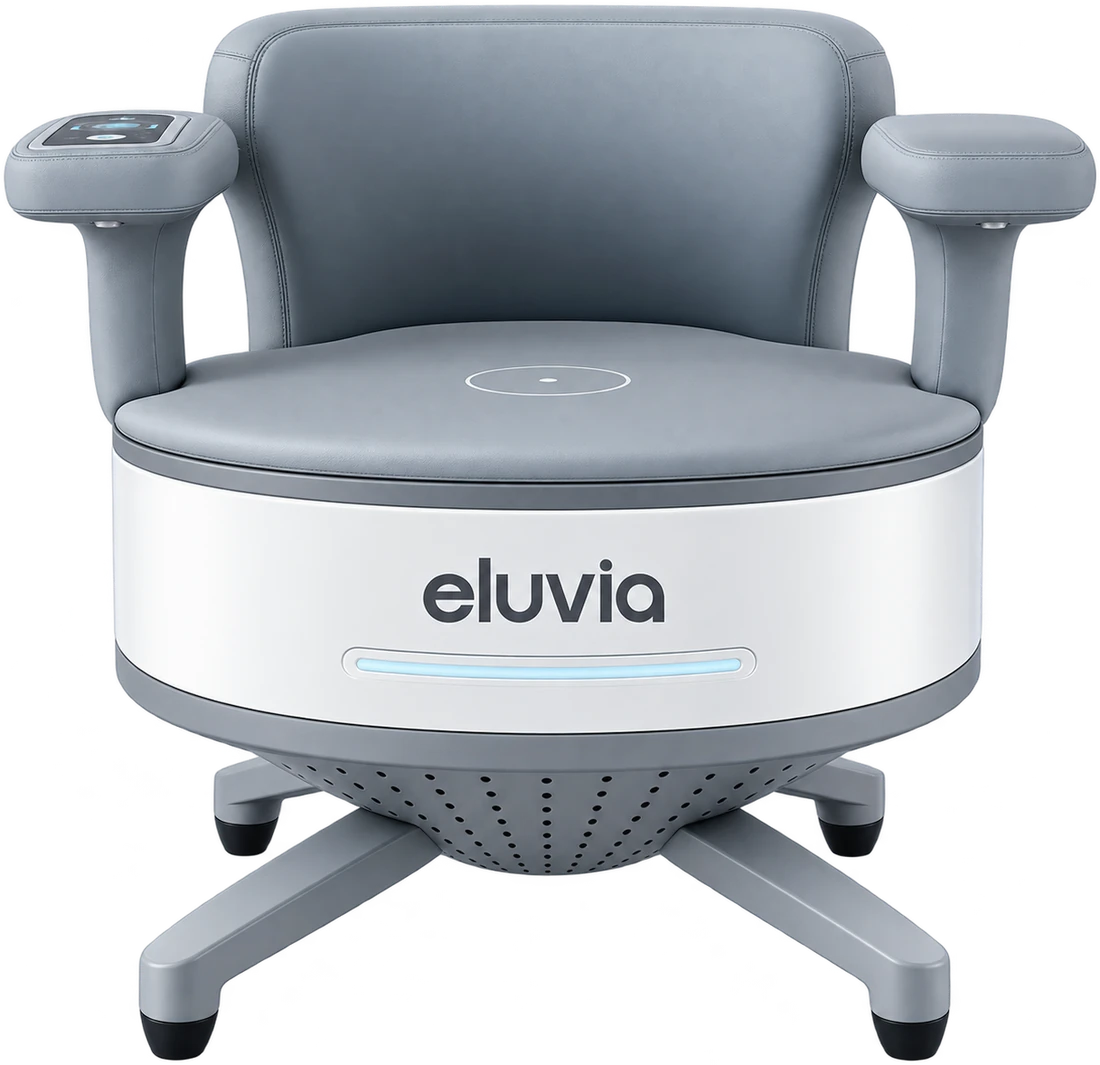
- A private training space, particularly for the Eluvia pelvic floor training chair, where the experience matters as much as the protocol.
- A willingness to sell courses rather than single sessions, because that is what these categories are designed around.
- Comfort with responsible claims. If a facility wants to promise outcomes to its clients, we are the wrong supplier.
 Private room
Course based
Private room
Course based
From enquiry to first client.
No pressure stages and no artificial deadlines. It moves at the pace of your decision.
Qualification call
A short conversation about your practice, your client base and which system you are trying to build around. Sometimes this ends with us saying the timing is wrong, which is a legitimate outcome.
Private demonstration
The relevant platform, run properly, with the protocol it ships with. You should see the interface, the workflow and the turnaround, not a slide deck.
Technical pack
Full specification, electrical and dimensional requirements, safe-use documentation and the local requirements for your territory, in writing.
Commercial model
Pricing, course structure and utilisation modelled against your rooms and staffing. If the model does not work on your numbers, better to find that here.
Installation and training
Placement, setup and hands-on onboarding for the team who will actually run it, not only for whoever signed.
Launch and review
Menu and launch material, then a review after the first cycle of clients to correct protocol, pricing or positioning while it is still cheap to correct.
Six things travel with every platform: a written protocol library, operator training at installation with refresher material, full safe-use and suitability documentation, a defined service route with an agreed consumables position, commercial modelling against your rooms and staffing, and launch material for your menu and channels.
No. Most practices start with one, prove the category in their own appointment book, and add the others over time. The portfolio is designed to be sequenced: compare Hydrèlle, Eluvia and Kinetiq to choose where to start.
Discussed case by case. It depends on the territory, the platform and the commitment involved, so it is settled in writing during the commercial stage rather than promised upfront.
Consumables where the protocol requires them, plus service. Both are quantified in the commercial model before you decide, because ongoing cost is usually what determines whether a platform is actually profitable.
Yes. Session and protocol names on your menu are yours. Platform identity stays consistent so a client who searches the name finds a coherent professional presence rather than an unknown machine.
A defined service route, refresher training as your team changes, and a review after the first cycle of clients. The failure mode we care most about is a platform that works technically and underperforms commercially because nobody revisited the protocol.
Availability, configuration and local requirements vary by territory. Tell us where you are during enquiry and we will confirm what applies to you rather than give a general answer that may not.
Start with a conversation.
Tell us about your practice and which system you are building around. We will tell you honestly whether there is a fit.
Enquire